Mod-Jestic Introduction to Prototyping with Silicone Molds
The process of refining design concepts through hands-on testing is essential for creating successful prototypes. Utilizing silicone molds enables designers to produce components that can quickly be iteratively tested, allowing for adjustments based on real-world feedback.
7/26/2026
Understanding Prototyping in Product Development
Prototyping is a critical step in the product development process, serving as the bridge between conceptual ideas and physical realities. It enables designers and engineers to visualize their concepts, allowing for a clear representation of the final product. The essence of prototyping lies in its iterative nature; through repeated trials, designers can explore different approaches, test functionalities, and refine aesthetics based on real-world feedback.
The significance of prototyping extends beyond mere visual representation. It provides an opportunity for stakeholders to engage and contribute, fostering collaboration and innovation. When a design prototype is shared, it can elicit valuable input from potential users and team members alike. Such feedback becomes instrumental in identifying flaws and opportunities for improvement, thereby enhancing the overall product quality before it hits the market.
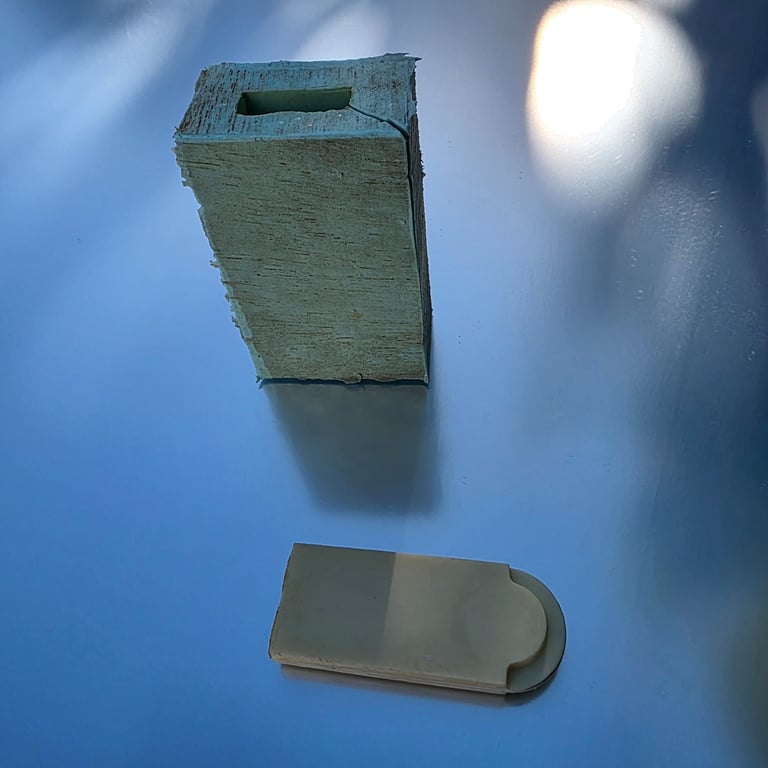
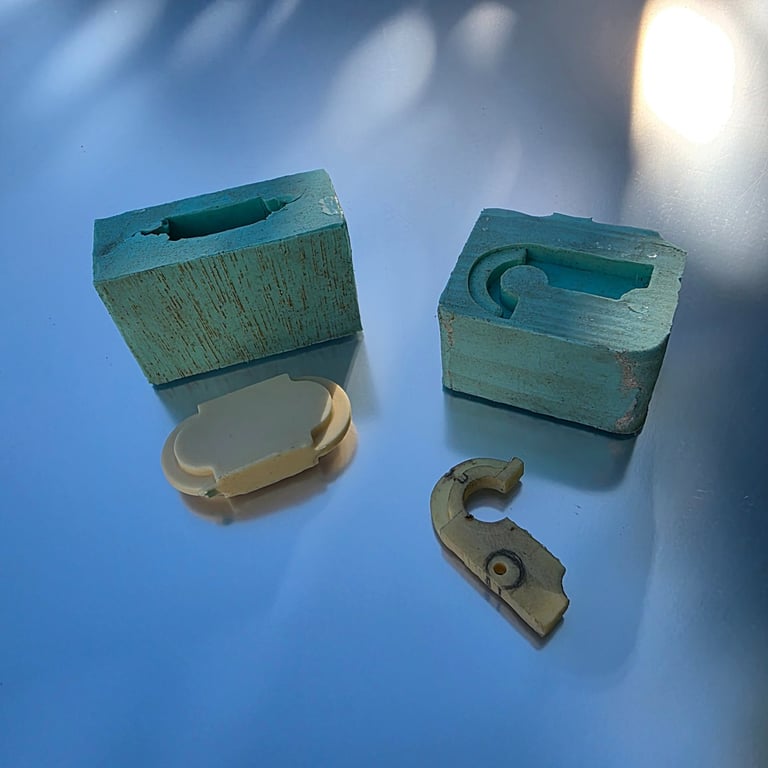
Among various prototyping methods, silicone molds stand out as a particularly effective technique. Silicone-based prototyping allows for the creation of detailed and intricate components that accurately reflect the intended design. This method not only facilitates the swift production of prototypes but also permits efficient adjustments. As the mold can be reused multiple times, it significantly reduces material waste and production costs, making it an environmentally conscientious choice.
Moreover, silicone molds accommodate a diverse range of materials, catering to different product requirements. Whether it’s for small-scale testing or pre-manufacturing samples, silicone molds provide the flexibility necessary to experiment with various textures, colors, and dimensions. Therefore, as prototyping plays a crucial role in the product development process, leveraging techniques like silicone molds can enhance both the efficiency and effectiveness of design iterations.
The Advantages of Using Silicone Molds
Silicone molds have emerged as a popular choice in the prototyping industry, renowned for offering a myriad of benefits that streamline the production process. One of the primary advantages is the efficiency with which these molds can produce components. Silicone is a material that facilitates rapid prototyping, allowing designers to create multiple iterations in a fraction of the time compared to traditional methods. This acceleration in production enables businesses to respond more quickly to market demands, thereby enhancing competitiveness.
Moreover, silicone molds possess remarkable flexibility, which is paramount for intricate designs. The pliable nature of silicone allows it to capture detailed features and fine nuances of a prototype with exceptional fidelity. This capability not only preserves the integrity of the original design but also ensures that the final product aligns closely with the designer’s specifications. For instance, in industries such as custom jewelry or intricate product enclosures, silicone molds are invaluable in producing highly detailed prototypes that require precision.
In addition, durability is another hallmark of silicone molds. Unlike other materials that degrade after a few uses, silicone molds maintain their structural integrity over numerous cycles. This attribute significantly reduces production costs, as fewer molds are required to produce high-quality prototypes. Consequently, businesses can save on material expenses while also benefiting from the consistent quality of their Prototype. By reusing these molds, manufacturers can uphold high standards, ensuring that each iteration accurately reflects the desired design.
In summary, the use of silicone molds in prototyping provides time efficiency, unparalleled flexibility for intricate designs, and exceptional durability, all of which culminate in the creation of high-quality prototypes that meet and often exceed designer expectations.
Refining Design Concepts Through Hands-On Testing
The process of refining design concepts through hands-on testing is essential for creating successful prototypes. Utilizing silicone molds enables designers to produce components that can quickly be iteratively tested, allowing for adjustments based on real-world feedback. This hands-on approach is crucial for assessing critical aspects such as fit, form, and function, which are important to the overall success of a product.
In the prototyping phase, silicone molds offer flexibility and adaptability. Designers can experiment with different shapes and sizes, and create multiple iterations based on performance evaluations. The ability to quickly create prototypes using silicone molds helps teams respond to user feedback effectively. When initial concepts are translated into tangible models, designers can conduct user testing, which provides insights that are not always possible through digital design alone.
Moreover, the iterative nature of design means that it is rare for a concept to be perfect from the outset. Through hands-on testing of prototypes made from silicone molds, designers can identify pain points and areas for improvement. This process not only enhances the design but also fosters innovation as adjustments may lead to unforeseen enhancements. The tactile experience of holding and utilizing a physical prototype allows designers to feel how components function together in a practical sense, thereby ensuring that the final product meets user needs and expectations.
Ultimately, embracing the refinement process through real-world testing with silicone molds is essential in today’s fast-paced design landscape. This methodology ensures that the final output is both functional and appealing, mitigating risks before moving into mass production. Prototyping in this manner demonstrates the commitment to quality and user-focused design, laying the groundwork for success in future endeavors.
Conclusion: The Strategic Role of Silicone Molds in Innovation
In the realm of product development, the adoption of silicone molds has emerged as a strategic advantage, particularly in the process of rapid prototyping. The finesse and flexibility that silicone molds provide enable designers to bring their creative visions to life with greater efficiency and precision. This method not only aids in the iterative design process but also accelerates the timeline from concept to creation, ensuring that designers can promptly respond to feedback and make necessary adjustments.
Through the utilization of silicone molds, teams can experiment with various materials and designs without the substantial costs typically associated with traditional prototyping methods. This freedom fosters an environment of innovation and exploration, allowing designers the liberty to push boundaries and explore unique solutions that might otherwise be overlooked. As a result, the quality of the final products is significantly enhanced, as prototypes can be meticulously refined based on realistic models rather than sketches or theoretical concepts.
Moreover, silicone molds facilitate improved communication among design teams, as tangible prototypes can be used to convey ideas more effectively than digital representations. This collaborative effort not only streamlines the design process but also helps align team members with a common vision, ensuring that the end product meets the intended criteria and user needs.
Thus, embracing silicone molds as an integral component of the prototyping phase is essential for modern designers. By harnessing their capabilities, teams can enhance creativity, expedite the design process, and ultimately yield superior products that stand out in the market. The strategic role of silicone molds in innovation cannot be overstated; they are a powerful tool that every designer should consider integrating into their workflow.